#JS_HEADER##CSS# #IE8PROXYASSETLOADSCRIPTS#
Today: #SALESHOURSTODAY#
  • #name#

  • #SAVE_HEART_NAV_ICON#
#MOBILE-CONTACT-ROW-SEARCH#

Blog

All Everett Kia Dealer Kia Dealer 2027 Kia Telluride Blogs Kia Telluride Hybrid Center Wear vs. Edge Wear Everett Used Cars Kia Auto Tires Kia of Everett Service Tire rotations Wheel alignment
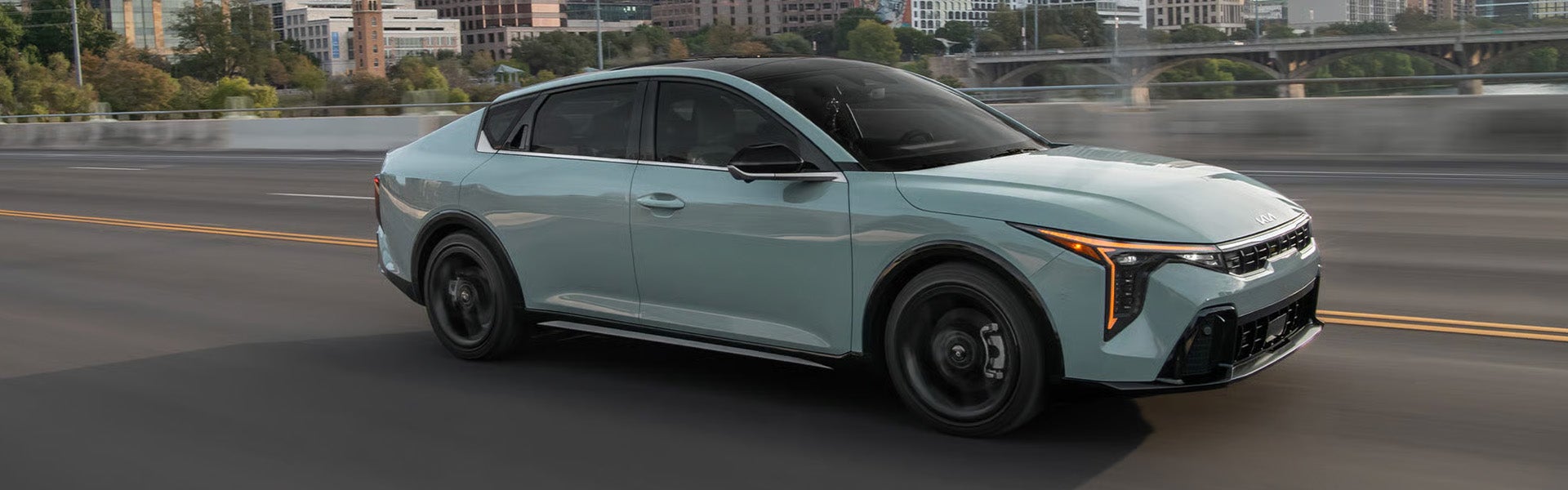
Light green Kia K4 sedan driving on a city road.

2026 Kia K4: Sedan or Hatchback - Which One Makes More Sense for You?

If you're in the market for a compact car, the 2026 Kia K4 should be on your list. With sharp styling, a stylish interior, and two body styles (sedan and hatchback) to choose from, it gives you choices so you can have the car that works perfectly for you. You even have a choice of engines: a 2.0L 4-cylinder producing 147 hp and 132 lb-ft of torque, or an available 1.6L turbocharged 4-cylinder delivering 190 hp and 195 lb-ft of torque. Here's a look at what sets each version apart and which one might be the better fit for how you actually live. more What Makes the 2026 Kia K4 Sedan Worth Considering The 2026 Kia K4 sedan delivers a traditional profile with a low roofline and a separate trunk. It tends to appeal to drivers who want something that feels more like a stylish car than something used to haul cargo. The interior is well-appointed across trim levels, with a modern touchscreen setup and a layout that feels well designed rather than cluttered. If you want a quieter cabin, a cleaner exterior silhouette, and a more traditional driving experience, the sedan body style checks those boxes. It is a strong choice for those who mostly use their car for getting to and from work or running errands around town. Why the Kia K4 Hatchback Might Be the Smarter Pick The Kia K4 Hatchback takes the same solid foundation and adds a rear hatch opening that makes loading and unloading significantly easier. That extra versatility matters more than people expect once you start factoring in groceries, gym bags, strollers, or weekend gear. The hatchback body style also gives the K4 a sportier, more dynamic appearance that stands out from the typical compact sedan crowd. If your daily drive includes more than just a point-A-to-point-B routine, the Kia K4 Hatchback earns its keep through practicality. The cargo area becomes much more usable when there is no trunk lip to work around, and the flexibility of the rear cargo space makes a difference on longer trips or errand-heavy days. Comparing the Two: What Actually Matters Day to Day When you put the 2026 Kia K4 sedan and hatchback side by side, the mechanical experience is largely similar. Both deliver the agility and responsiveness that Kia has been emphasizing with this model, and both feature the same modern interior technology you would expect at this level. The real difference comes down to how you use the car. If you value looks and a more traditional profile, the sedan is a great call. If you want more flexibility without giving up the car-like driving feel, the hatchback is worth a serious look. Think about your typical week and which version would actually make that week easier. Visit Kia of Everett to See Both Models in Person Reading about the 2026 Kia K4 is helpful, but nothing replaces sitting inside and getting a feel for how each one fits your routine. Drivers throughout Everett, WA, can explore the full K4 lineup at Kia of Everett, where the team is ready to walk you through your options without pressure.
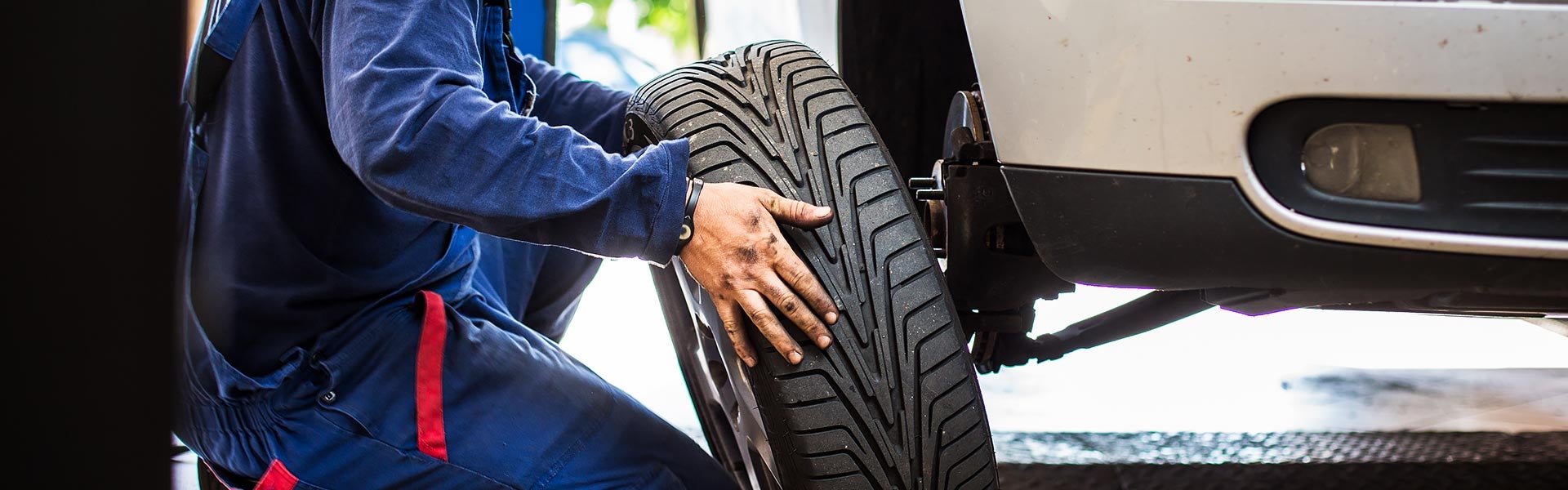
Mechanic mounting a tire onto a white vehicle.

Your Tires Are Talking: What Different Wear Patterns Mean for Your Kia

Tires don't wear randomly. Every mile you drive leaves clues about how your vehicle is performing, and the tread pattern can reveal problems long before a warning light appears on the dashboard. If one tire is wearing faster than the others or the tread looks uneven, it's usually a sign that something else on the vehicle needs attention. Understanding those patterns can help you correct small issues before they shorten tire life or affect handling. more Center Wear vs. Edge Wear The simplest wear patterns are often caused by tire pressure. If the center of the tread wears faster than the edges, the tire has likely spent too much time overinflated. Because the center of the tire carries more of the load, it wears away first. If both outer shoulders wear more quickly than the center, the opposite is usually true. Underinflated tires flex more as they roll, placing additional weight on the outer edges while increasing rolling resistance and heat buildup. Checking tire pressure regularly is one of the easiest ways to maximize tread life. One-Sided Wear Usually Points to Alignment When only the inside or outside edge of a tire wears rapidly, wheel alignment is often the culprit. Even slight changes in camber or toe angles can cause the tire to scrub against the pavement instead of rolling evenly. You may also notice the steering wheel sitting off-center or the vehicle drifting to one side on a straight road. A professional wheel alignment restores the wheels to factory specifications, helping improve tire life, handling, and fuel efficiency. Cupping Can Mean Suspension Problems A scalloped or cupped tread pattern often indicates the tire is bouncing instead of maintaining consistent contact with the road. Worn shocks, struts, or other suspension components are common causes. Instead of absorbing bumps smoothly, the suspension allows the tire to repeatedly strike the pavement, creating alternating high and low spots across the tread. Drivers often notice increased road noise or steering wheel vibration along with this type of wear. Uneven Wear Across Multiple Tires If several tires show irregular wear, overdue tire rotations may be part of the problem. Front and rear tires experience different loads, steering forces, and braking demands. Rotating them at the recommended intervals helps distribute wear more evenly and extends the life of the entire set. During a tire inspection, technicians also evaluate tread depth, inflation pressure, suspension components, and alignment to determine whether additional repairs are needed. Don't Ignore What Your Tires Are Telling You Uneven tire wear rarely fixes itself. Left untreated, it can reduce traction, increase stopping distances, create vibration, and force premature tire replacement. If you've noticed unusual tread wear, steering pull, vibration, or increased road noise, sch eduling an inspection now can often prevent more expensive repairs later. Schedule Tire Service at Kia of Everett Your tires provide valuable insight into your vehicle's overall health. The service team at Kia of E verett can inspect tread wear, check tire pressure, perform wheel alignments, evaluate suspension components, and recommend the right maintenance to help maximize tire life. Schedule your next tire inspection and keep your Kia driving the way it was engineered to.

Kia Summer Service Checklist

Kia Summer Service Checklist: Get Ready for Road Trips, Heat, and Busy Driving

Let's face it; summer is awesome. Who doesn't love road trips to the beach, hanging out by a campfire, or just being out enjoying the warm weather. You know what doesn't necessarily love summer? Your vehicle. Summer is one of the busiest times of year for your vehicle, and it can also be one of the hardest. more Between road trips, driving around town in the heat, and hauling the whole family around, your Kia works harder this time of year. That's why following a Kia summer service checklist before the season gets into full swing is one of the smartest things you can do as a vehicle owner. A little preventive maintenance now can save you from a breakdown later - especially when temperatures are at their peak. Why Summer Heat Makes Kia Service So Important Heat is one of the toughest conditions your vehicle will face during the year. High temperatures put extra strain on your engine, cooling system, tires, and battery. Without the right preparation, even a well-maintained Kia can run into trouble on a long drive. Your Kia summer service checklist should account for each of these systems before you hit the road this season. Check Your Cooling System Your cooling system is your engine's first line of defense against summer heat. A technician should inspect coolant levels and look for any signs of leaks or wear in the hoses and belts. Low or degraded coolant can lead to overheating quickly, particularly during stop-and-go traffic on a hot day. If your Kia is due for a coolant flush, summer is the right time to take care of it. Inspect Your Tires Tire pressure fluctuates with temperature, and hot pavement adds stress to rubber that's already been through a long winter and spring. Check that all tires - including your spare - are inflated to the recommended pressure listed in your owner's manual. Look for uneven wear, cracking, or low tread depth. If tires are worn down, you should replace them before a road trip. Test Your Air Conditioning Few things are worse than a failing air conditioner on a hot summer afternoon. Have your A/C system inspected to confirm it's blowing cold air efficiently. If you notice weak airflow, warm air, or unusual smells, a refrigerant recharge or component inspection may be needed. Check Fluids and Filters Beyond coolant, summer driving puts demand on several other fluids. Brake fluid, transmission fluid, power steering fluid, and windshield washer fluid should all be checked and topped off as needed. Your cabin air filter and engine air filter are also worth inspecting - a clogged filter can reduce A/C efficiency and engine performance when you need it most. Inspect Your Battery Heat drains battery life faster than cold weather does, which surprises many drivers. If your battery is more than three years old, have it tested. A weak battery may still start your vehicle on a cool morning but can fail quickly when temperatures climb. Catching this early keeps you from being stranded far from home. Review Your Brakes and Wiper Blades Summer thunderstorms and sudden stops in heavy vacation traffic make brakes and wiper blades two items you don't want to overlook. If your brakes feel soft, make grinding noises, or take longer than usual to respond, have them inspected promptly. Wiper blades that smear or skip across the windshield in the rain should be replaced - it's an inexpensive fix that makes a big difference in visibility. Visit Us Before Summer Gets Into Full Swing Taking care of your Kia now means you can focus on the road ahead instead of worrying about what's under the hood. If you're planning a long road trip or just want your vehicle to run smoothly through the season, this Kia summer service checklist covers the essentials. Reach out to our Kia Service experts at Kia of Everett so we can walk you through a summer service checklist, and get you scheduled for a full summer inspection so you can get ahead of summer before it gets ahead of you.

2027 Kia Telluride

2027 Kia Telluride vs. Telluride Hybrid: Which One Fits Your Family?

If you have a growing family and have outgrown your present vehicle, you should be looking at the 2027 Kia Telluride. The Telluride continues to earn its reputation as one of the most well-rounded three-row SUVs on the market. So, if you're hauling kids to weekend activities or heading out on a longer road trip through the Pacific Northwest, it offers a comfortable ride, generous interior space, and a strong set of standard features. more So, now, the question isn't just whether to get a Telluride - it's which version makes the most sense for your lifestyle. Understanding the Standard 2027 Kia Telluride The 2027 Telluride delivers up to 274 hp and 311 lb-ft of torque. It's a capable SUV that handles all kinds of roads with ease. The conventional powertrain provides responsive performance if you're driving downtown or heading out on the highway. If you're looking for straightforward power and a lower entry point, the Telluride is a practical and proven choice. It offers the same spacious cabin, modern technology features, and premium feel that have made it a consistent favorite. Getting to Know the Kia Telluride Hybrid The Kia Telluride Hybrid is designed for drivers who want that same bold presence and interior room but with added fuel efficiency built into the powertrain. The hybrid system pairs a 329 hp turbocharged engine with an electric motor to deliver 35 MPG combined and an estimated total driving range of 637 miles. For families doing a lot of in-town driving or longer hauls across Washington State, the Kia Telluride Hybrid offers an appealing way to stretch each tank of fuel further without sacrificing the capability you expect from a full-size SUV. Key Differences to Consider When comparing the two, it helps to think about how you use your vehicle day to day. The standard 2027 Kia Telluride is a strong fit if you prioritize power output and a more familiar driving feel. Its 274 hp rating gives strong performance across a variety of driving conditions. The Kia Telluride Hybrid, on the other hand, leans into efficiency. Its turbo-hybrid powertrain is built for drivers who want to spend less time at the pump and more time on the road. Both models share the Telluride's signature design, roomy three-row layout, and advanced technology, so you won't be giving anything up on the comfort or style front. Which One Is Right for Your Family? The right choice really comes down to your priorities. If fuel savings are high on your list and you do a lot of everyday driving, the hybrid powertrain could be a smart long-term investment. If you're more focused on raw performance and want to keep things simple, the standard 2027 Kia Telluride delivers exactly that. Explore Your Options at Kia of Everett Both the 2027 Kia Telluride and the Kia Telluride Hybrid are worth experiencing in person. Sitting behind the wheel is the best way to get a feel for which one matches your needs. Come in and see us at Kia of Everett to view the full lineup and connect with us so we can walk you through the details, trim levels, and available features to help you find the perfect option for your family.

Keeping Your Kia Running Smoothly: A Comprehensive Maintenance Guide

Routine Maintenance Schedule Oil Change: Every 5,000 Miles One of the simplest yet most important maintenance tasks is changing your oil. Kia recommends an oil change every 5,000 miles. Fresh oil lubricates the engine, reduces friction, and helps prevent overheating. Neglecting this can lead to engine wear and decreased efficiency. General Major Maintenance: Every 15,000 Miles At 15,000 miles, your Kia will require its first major maintenance service. This includes a comprehensive inspection and several key tasks: Tire Rotation: Rotating your tires ensures even wear, extending their lifespan and improving overall safety and performance. Air Filter Replacement: A clean air filter is vital for your engine’s performance. It prevents dirt and debris from entering the engine, ensuring optimal combustion and fuel efficiency. This general major maintenance should be performed every 15,000 miles to keep your car in top condition. Specific Maintenance for Your Vehicle While the above tasks are general recommendations, specific maintenance needs can vary depending on your Kia model. Here are some additional maintenance tasks to consider: Brake System Check Regular brake inspections are crucial for your safety. This includes checking the brake pads, rotors, and fluid levels. If you notice any squeaking or reduced braking efficiency, it’s time to have them checked. Battery Check A healthy battery is essential for starting your car and powering electrical systems. Regularly check the battery terminals for corrosion and ensure it’s holding a charge. Replace it if necessary to avoid unexpected breakdowns. Fluid Levels In addition to engine oil, other fluids such as coolant, transmission fluid, and brake fluid should be checked regularly. Maintaining proper fluid levels is crucial for the smooth operation of various systems in your car. Belt and Hose Inspection Belts and hoses are vital for the operation of your engine and other components. Over time, they can wear out and develop cracks. Regular inspections can prevent potential breakdowns and costly repairs. The Importance of Regular Maintenance Enhanced Performance: Regular maintenance ensures that your car runs at its best. Clean oil, fresh filters, and properly inflated tires all contribute to better fuel efficiency and overall performance. Safety: Routine checks of brakes, tires, and other critical systems keep you and your passengers safe on the road. Addressing potential issues early can prevent accidents. Longevity: Just like any machine, a well-maintained car lasts longer. Regular upkeep can extend the life of your vehicle, saving you money in the long run. Resale Value: A well-documented maintenance history can increase the resale value of your car. Potential buyers are more likely to invest in a vehicle that has been well cared for. Tips for Keeping Up with Maintenance Follow the Schedule: Stick to the maintenance schedule outlined in your Kia’s owner’s manual. Set reminders to ensure you don’t miss any crucial tasks. Use Genuine Parts: Always use genuine Kia parts and recommended fluids. They are designed specifically for your vehicle and ensure optimal performance and longevity. Find a Reliable Mechanic: Whether you choose a Kia dealership or a trusted independent mechanic, make sure they are experienced and have good reviews. A skilled mechanic can make all the difference in your car’s maintenance. Pay Attention to Warning Signs: Unusual noises, vibrations, or dashboard warning lights are signs that something may be wrong. Don’t ignore them – have your car checked as soon as possible. Keep Records: Maintain a record of all maintenance and repairs. This helps in tracking what has been done and when, and it’s useful if you decide to sell your car. Regular maintenance is key to keeping your Kia running smoothly and efficiently. By following the recommended maintenance schedule and addressing any issues promptly, you can enjoy a reliable and long-lasting vehicle. Remember, taking care of your car is an investment that pays off in the long run. Safe driving! Keeping your Kia well-maintained involves more than just oil changes. It’s a comprehensive approach that includes regular inspections, timely replacements, and addressing issues promptly. By staying on top of these tasks, you ensure not only the performance and longevity of your car but also your safety and peace of mind. Whether you're a new Kia owner or have been driving one for years, following this maintenance guide will help you keep your vehicle in optimal condition for many miles to come.

Tire Checks Made Simple, Easy, and Fun with Kia of Everett

At Kia of Everett, we believe that car maintenance should be simple, easy, and fun —just like your driving experience. One of the most important aspects of keeping your vehicle running smoothly and safely is tire maintenance. Your tires are the only part of your car that directly touches the road, making them critical to your safety and vehicle performance. Regular tire checks and timely replacements aren’t just necessary; they’re essential for a reliable and comfortable ride. Let’s take a look at why tire care should be a top priority. 1. Safety First: Tires Affect Your Control of the Vehicle Your tires directly impact how well you can steer, brake, and handle your vehicle. Worn-out or damaged tires can reduce traction, making it harder to control your car, especially in wet or slippery conditions. Good tires help you maintain stability on the road, ensuring that you can safely maneuver in any driving situation. Ignoring tire wear increases the risk of accidents, as your car may not respond properly when you need it most. Key Signs Your Tires Need Attention: Tread depth is low (below 2/32 of an inch). Cracks or bulges in the sidewalls. Uneven tread wear, which can point to alignment issues. A noticeable vibration while driving, signaling potential tire damage. 2. Better Fuel Efficiency Did you know that properly maintained tires can help you save at the pump? Tires that are underinflated or worn down increase the resistance against the road, causing your engine to work harder and consume more fuel. By keeping your tires properly inflated and replacing them when necessary, you can improve your vehicle’s fuel efficiency by up to 3%, according to industry experts. To get the best mileage, make sure to: Check your tire pressure regularly (at least once a month). Rotate your tires every 5,000 to 8,000 miles. Replace worn tires to maintain optimal rolling resistance. 3. Prolonged Lifespan of Other Vehicle Components Maintaining your tires in good condition helps protect other vital parts of your vehicle, including the suspension, brakes, and steering systems. Worn tires can cause uneven stress on these components, leading to premature wear and expensive repairs. For instance, if your tires are misaligned, your suspension and steering systems have to compensate, which can shorten their lifespan. Similarly, worn tires reduce braking efficiency, placing extra strain on your brake system. By ensuring your tires are properly maintained, you save yourself from costly repairs down the line. 4. Improved Driving Comfort There's nothing quite like a smooth ride, and your tires play a huge role in that. Tires in good condition absorb road shocks better, reducing the impact of bumps, potholes, and rough surfaces. Worn or underinflated tires, on the other hand, can make your car feel shaky, noisy, and uncomfortable. Whether you’re on a quick errand or a long road trip, proper tire maintenance ensures that your drive is as smooth and enjoyable as possible. 5. Cost Savings in the Long Run While it may seem like an added expense, regular tire maintenance and timely replacement will actually save you money over time. Worn tires can lead to more significant issues with other vehicle parts, increased fuel costs, and even breakdowns. Replacing your tires when needed ensures that your vehicle operates efficiently, helping you avoid more expensive problems in the future. How to Keep Your Tires in Top Shape At Kia of Everett, we’re here to make car maintenance simple, easy, and fun. Follow these tire care tips to keep your car performing at its best: Check Tire Pressure: Use a reliable tire gauge to check your tire pressure at least once a month and before long trips. Inspect Tread Depth: Use the penny test or a tread depth gauge to ensure your tires have enough tread to grip the road. Rotate Tires Regularly: To ensure even wear, rotate your tires every 5,000 to 8,000 miles. Look for Damage: Check for punctures, bulges, or embedded objects that can lead to tire failure. Replace When Needed: Don’t wait until it’s too late—replace your tires when the tread is worn or when you notice signs of damage. Taking care of your tires is an essential part of ensuring a safe and comfortable driving experience. At Kia of Everett, we’re committed to helping you keep your vehicle in top condition. With regular tire maintenance, you’ll enjoy better fuel efficiency, smoother rides, and a longer lifespan for your car. When it’s time for a tire check or replacement, stop by Kia of Everett—the simple, easy, fun car dealership that’s here to make vehicle care a breeze. Whether it’s a routine inspection or a brand-new set of tires, we’re always ready to help keep you safe and happy on the road.

Contact Us

Fill out this form below and we'll contact you shortly
*Required Fields
#CONTENT_PRE_END#